Menu
Same-Day Service Available!

Upholstery cleaning in Boerne, TX is often overlooked until a couch starts to look dull, smell off, or show visible stains. However, sofas and chairs quietly collect dust, allergens, body oils, and pet-related messes every single day. Even when furniture appears clean, contaminants can sit deep within the fabric, affecting both comfort and indoor air quality. Knowing how to clean a couch the right way starts with understanding fabric types and using methods that protect fibers instead of damaging them.
Homes in Boerne experience a mix of outdoor dust, seasonal allergens, and everyday family activity. Upholstered furniture acts like a sponge, trapping airborne particles that circulate throughout living spaces. Improper cleaning methods, such as excessive water, harsh chemicals, or aggressive scrubbing, can permanently weaken fibers, cause discoloration, and leave residue that attracts even more dirt. Many homeowners unknowingly make these mistakes while trying to keep their furniture fresh.
For more than 30 years, Safe-Dry® has helped families maintain cleaner, healthier homes using an eco-friendly upholstery cleaning process designed for safety and fast results. Unlike traditional methods that oversaturate furniture, Safe-Dry® uses a low-moisture, carbonated cleaning system that lifts dirt to the surface for gentle removal. Most upholstery dries in about one hour, reducing disruption and preventing moisture-related issues. Safe-Dry® will send a qualified carpet cleaner to your home to assess the job and provide a cleaning estimate, ensuring the safest approach for your furniture.
Understanding the safest cleaning method by fabric type is essential. A process that works for microfiber can damage leather, while a wool blend requires different care than synthetic upholstery. In the sections below, we’ll break down how to clean a couch properly, explain fabric-specific risks, and show how professional upholstery cleaning protects comfort, appearance, and long-term durability.
Couches are used differently than carpets, and their cleaning requirements reflect that difference. Upholstery experiences direct skin contact, absorbs oils, and often holds odors longer than flooring. Fabric is also stretched over cushions and frames, making it more sensitive to moisture and pressure.
One of the most common upholstery cleaning mistakes is treating furniture like wall-to-wall carpet. Steam-heavy methods or soaking solutions push moisture into foam cushions and padding. This leads to longer drying times, trapped odors, and potential mold growth. Professional upholstery cleaning uses controlled moisture and fabric-safe solutions to avoid these risks.
Another issue involves residue. Soap-based cleaners leave sticky films that attract dust and cause furniture to look dirty again quickly. Carbonated cleaning avoids residue by lifting contaminants without coating fibers. This difference helps furniture stay cleaner longer while maintaining softness and color.
Every couch fabric reacts differently to cleaning. Some materials tolerate light moisture, while others require extremely gentle handling. Ignoring fabric type is one of the fastest ways to cause permanent damage.
Cotton and linen blends absorb water easily and may shrink or discolor if cleaned improperly. Microfiber resists moisture but holds oils tightly. Leather requires conditioning rather than traditional cleaning. Wool blends are sensitive to pH changes and heat. Synthetic fabrics often tolerate more cleaning flexibility but still require residue-free methods.
Professional upholstery cleaning technicians identify fabric type before cleaning begins. This evaluation prevents fiber breakdown, color loss, and texture changes. In Boerne homes, where furniture often serves as a central gathering place, choosing the safest method by fabric type protects both comfort and investment.
This guide walks you through the safest couch cleaning methods by fabric type, explains why certain approaches fail, and offers expert-backed advice for maintaining furniture between professional cleanings. You’ll learn how professional upholstery cleaning supports healthier indoor air, extends furniture life, and delivers fast-drying results without harsh chemicals.
If your couch feels dingy, holds odors, or has never been professionally cleaned, the sections ahead will help you make informed decisions and avoid costly mistakes.
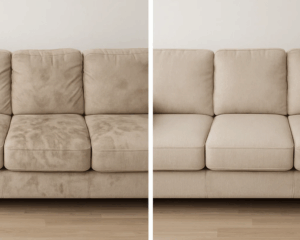
Cleaning a couch safely starts with understanding how each fabric reacts to moisture, agitation, and cleaning solutions. Upholstery cleaning is never one-size-fits-all. The safest method depends on fiber type, construction, and how the furniture is used inside the home. Many common mistakes happen when people skip evaluation and jump straight into cleaning.
Below is a detailed, fabric-specific upholstery cleaning process designed to protect furniture while delivering effective results.
The most important step in upholstery cleaning is identifying the fabric. Most couches include a manufacturer tag with a cleaning code, but even with a tag, professional judgment matters. Fabrics can be blended, aged, or previously treated, which affects how they respond to cleaning.
Common upholstery fabric categories include synthetic blends, microfiber, cotton and linen, wool blends, and leather. Each requires a different approach. Using the wrong method can cause shrinkage, fading, stiffness, or water marks.
Professional upholstery cleaning technicians evaluate fabric texture, color stability, cushion construction, and usage patterns. This step prevents permanent damage and ensures the safest possible cleaning method for Boerne homes.
Before moisture is introduced, dry soil removal is essential. Dust, sand, and grit settle deep into upholstery fibers and act like abrasives during cleaning if left in place.
Vacuuming upholstery using appropriate attachments removes loose debris without pulling or stressing fibers. Skipping this step leads to grinding dirt deeper into fabric during cleaning, which dulls appearance and accelerates wear.
Dry soil removal also improves indoor air quality by eliminating particles that circulate through the home when furniture is used.
Synthetic upholstery fabrics, such as polyester and nylon blends, are common in modern couches. These materials are durable but still vulnerable to residue buildup and moisture misuse.
The safest method uses low-moisture upholstery cleaning solutions that lift oils and dirt without soaking the fabric. Carbonated cleaning works well for synthetics because it releases dirt from fibers without leaving sticky residue behind.
Controlled agitation loosens buildup, while high-powered extraction removes contaminants efficiently. Furniture dries quickly and maintains its original texture. This method supports long-term cleanliness and comfort.
Microfiber is popular because it resists spills, but it holds body oils and fine particles tightly. One common mistake is over-wetting microfiber, which leads to water spots and stiffness once dry.
The safest microfiber upholstery cleaning method uses minimal moisture and specialized solutions designed to break down oils. Gentle brushing during drying restores softness and prevents uneven texture.
Carbonated cleaning avoids heavy soap use, which causes residue and streaking. Microfiber couches cleaned properly feel fresh, soft, and uniform.
Cotton and linen upholstery looks elegant but absorbs moisture easily. These fabrics are prone to shrinking, browning, and dye migration if cleaned improperly.
The safest approach involves very low-moisture upholstery cleaning with neutral pH solutions. Excessive agitation and heat must be avoided. Controlled application and immediate extraction prevent moisture from penetrating cushion padding.
Professional upholstery cleaning minimizes these risks and preserves natural texture. Cotton and linen furniture dries faster and maintains its appearance when handled correctly.
Wool blends are soft and durable but sensitive to pH imbalance and heat. Harsh cleaners strip natural oils, leaving fibers dry and brittle.
Safe upholstery cleaning for wool blends uses gentle, eco-friendly solutions and minimal moisture. Carbonated cleaning helps lift dirt while protecting fiber integrity.
This approach prevents matting, fading, and stiffness. Wool upholstery remains resilient and comfortable with proper care.
Leather upholstery requires a completely different approach. Water-based cleaning can dry out leather and cause cracking over time.
Safe leather upholstery cleaning focuses on removing surface dirt with minimal moisture, followed by conditioning to restore natural oils. Conditioning prevents stiffness and cracking while maintaining suppleness.
Leather couches benefit from routine professional care to maintain appearance and durability.
Stains and odors often sit deeper than surface fibers. Using excessive moisture to remove them pushes contaminants further into cushions.
Professional upholstery cleaning applies targeted spot treatments designed to neutralize odors rather than mask them. Low-moisture extraction removes residue while protecting cushion integrity.
This approach is especially important for pet odor removal and food spills common in Boerne households.
Drying is just as important as cleaning. Upholstery that stays damp develops musty odors and risks mold growth inside cushions.
Low-moisture upholstery cleaning allows furniture to dry in about one hour. Proper airflow ensures even drying and preserves fabric structure.
Fast drying reduces disruption and supports a healthier home environment.
After cleaning, upholstery fibers need to be reset and inspected. Grooming restores pile direction and texture while ensuring uniform appearance.
A final inspection confirms stain removal and overall cleanliness. This step ensures results meet expectations and furniture looks refreshed.
DIY upholstery cleaning often combines several mistakes at once. Over-wetting, harsh chemicals, and improper drying compound damage over time. Furniture may look cleaner initially but becomes dull, stiff, or odorous later.
Professional upholstery cleaning avoids these risks by tailoring the process to each fabric type. This protects comfort, appearance, and longevity.
Upholstery cleaning does much more than improve how a couch looks. Furniture plays a central role in daily living, and because it absorbs contaminants over time, proper care directly affects comfort, air quality, and long-term durability. Professional upholstery cleaning in Boerne, TX helps protect both your furniture and your home environment while supporting healthier living.
Couches and upholstered chairs trap dust, pollen, pet dander, and other airborne particles. Each time someone sits down or stands up, these particles can be released back into the air. Over time, this contributes to reduced indoor air quality and discomfort for allergy-sensitive individuals.
Professional upholstery cleaning removes contaminants from deep within fabric fibers rather than redistributing them. Low-moisture methods prevent allergens from becoming airborne during the cleaning process. In Boerne homes, where outdoor dust and seasonal allergens are common, this benefit plays an important role in maintaining a cleaner breathing environment.
Dirt trapped inside upholstery fibers acts like fine sandpaper. Every movement grinds particles deeper into the fabric, slowly breaking down fibers and dulling the surface. Routine vacuuming helps with surface debris, but it cannot reach deeply embedded soil.
Professional upholstery cleaning safely removes this buildup using fabric-appropriate methods. Gentle agitation combined with controlled extraction protects delicate fibers while restoring softness and resilience. This slows wear and helps furniture maintain its original feel for years longer than untreated upholstery.
Improper cleaning methods often lead to faded color, water marks, or stiff texture. Soap residue coats fibers and attracts new dirt, while excessive moisture causes uneven drying and discoloration.
Professional upholstery cleaning avoids harsh chemicals and heavy detergents. Carbonated cleaning lifts dirt without leaving residue behind, allowing fabric to retain its natural texture and color. Furniture looks refreshed instead of patchy or worn, helping maintain a cohesive appearance throughout the home.
Odors from food spills, body oils, and pet accidents often settle deep within upholstery foam and padding. Sprays and fragrances only cover these smells temporarily, allowing them to return once the scent fades.
Professional upholstery cleaning focuses on odor elimination at the source. Low-moisture extraction removes odor-causing particles instead of masking them. This creates a fresher-smelling home without overpowering fragrances or chemical residue.
Quality furniture represents a significant investment. Improper care shortens its lifespan and reduces comfort over time. Fabric breakdown, discoloration, and lingering odors all diminish value.
Professional upholstery cleaning helps preserve structure, comfort, and appearance. Regular care delays the need for replacement and keeps furniture functional and attractive. In Boerne households, this benefit adds long-term value while supporting everyday comfort.
Cleaning products matter, especially in homes with children or pets. Harsh chemicals leave residues that linger long after cleaning is complete.
Professional upholstery cleaning methods designed for eco-friendly results use non-toxic solutions that are safe for everyday living. Furniture feels clean without introducing irritants, supporting peace of mind for families throughout Boerne, TX.
Knowing how to clean a couch safely does not stop with professional service. Daily habits, preventative care, and understanding what to avoid all play an important role in keeping upholstery clean, comfortable, and long-lasting. Many upholstery cleaning issues develop slowly over time due to repeated small mistakes rather than one major incident. The following guidance helps homeowners in Boerne, TX protect their furniture between professional cleanings.
Vacuuming is one of the simplest ways to extend the life of upholstered furniture. Dust, crumbs, and grit settle into fabric quickly, especially on armrests, seat cushions, and along seams. Left untreated, this debris works its way deeper into fibers and accelerates wear.
Use a vacuum with an upholstery attachment and gentle suction. Avoid beater bars or rotating brushes, which can pull fibers loose and cause fuzzing. Vacuum cushions, backs, and crevices slowly and evenly. Consistent light vacuuming is far safer than infrequent aggressive cleaning.
Spills should be addressed as soon as possible, but rushing can lead to damage. Scrubbing spreads stains and forces liquids deeper into cushions. Hot water can permanently set certain stains, especially protein-based spills.
Blot spills gently with a clean, dry cloth. Start at the outside edge and work inward. Use minimal moisture and avoid household cleaners unless recommended for your fabric type. If a stain does not lift easily, stop and seek professional upholstery cleaning rather than risking permanent damage.
Many store-bought and homemade cleaners promise fast results, but they often contain soaps, solvents, or fragrances that leave residue behind. Residue attracts dirt and causes upholstery to look dull again quickly.
DIY solutions can also alter fabric texture and weaken fibers over time. Even when a couch looks clean at first, repeated residue buildup leads to stiffness and discoloration. Professional upholstery cleaning avoids these issues by using residue-free methods designed for specific fabrics.
Seat cushions experience uneven pressure depending on how furniture is used. Over time, this leads to visible wear patterns and compressed foam.
Rotate and flip cushions regularly if the design allows. This helps distribute wear evenly and maintains comfort. Rotating cushions also reduces the appearance of shading and fabric fatigue.
Sunlight slowly fades upholstery, especially natural fibers and dyed fabrics. Even indirect exposure causes gradual color loss.
Position furniture away from direct sunlight when possible. Use window coverings during peak daylight hours to reduce UV exposure. Managing light helps preserve color vibrancy and prevents uneven fading.
High humidity allows moisture to linger inside upholstery padding, leading to musty odors and potential mold growth. This issue is more common in rooms with limited airflow.
Maintain proper ventilation and use dehumidifiers if needed. Upholstery that stays dry and well-ventilated remains fresher and more comfortable between cleanings.
Fabric protectors can help resist spills, but improper application causes buildup and stiffness. Over-application attracts dirt and changes fabric texture.
Professional application ensures even coverage without residue. Protectors work best when applied after professional upholstery cleaning rather than as a DIY treatment.
Certain situations require professional care right away. These include pet urine incidents, persistent odors, visible discoloration, or furniture that has not been cleaned in several years.
Attempting DIY cleaning in these cases often worsens the problem. Professional upholstery cleaning technicians assess fabric type and choose the safest method to restore cleanliness without damage.
For additional information on maintaining healthy indoor environments, homeowners can reference the Environmental Protection Agency and the Institute of Inspection Cleaning and Restoration . These resources provide science-backed guidance on safe cleaning practices and indoor air quality.

Upholstery cleaning is only as effective as the process behind it. Many methods rely on heavy moisture, soaps, or aggressive scrubbing that can shorten the life of furniture. Safe-Dry® takes a different approach, one designed to protect fabrics, support healthier homes, and deliver consistent results without unnecessary disruption. This difference is especially important for upholstery cleaning in Boerne, TX, where families value comfort, safety, and convenience.
Safe-Dry® uses a carbonated cleaning system that works differently from traditional upholstery cleaning methods. Instead of soaking fabric, tiny carbonation bubbles penetrate fibers and lift dirt, oils, and contaminants to the surface. This allows debris to be removed gently without oversaturating cushions or padding.
Because the process uses minimal moisture, furniture dries quickly, often in about one hour. Fast drying helps prevent musty odors, mold risk, and prolonged downtime. Homeowners can enjoy clean furniture without rearranging schedules or avoiding rooms for extended periods.
One of the most common complaints after upholstery cleaning is rapid re-soiling. This happens when soap residue remains in the fabric, attracting new dirt almost immediately.
Safe-Dry® avoids soaps, harsh chemicals, and fragrances that leave residue behind. The carbonated process rinses clean, allowing upholstery to stay fresh longer between cleanings. Fabric feels soft instead of sticky, and appearance holds up over time.
Furniture is one of the most frequently touched surfaces in a home. Cleaning products must be safe for everyday contact.
Safe-Dry® uses eco-friendly upholstery cleaning solutions designed to be non-toxic and safe for daily living. This approach supports peace of mind for families with children, allergy-sensitive individuals, and pets. There are no harsh fumes or chemical residues left behind after cleaning.
Every couch and chair is different. Safe-Dry® technicians are trained to identify fabric types before cleaning begins. This ensures the safest method is used for microfiber, synthetic blends, natural fibers, or specialty upholstery.
Customized care prevents fiber damage, discoloration, and texture changes. Instead of using a one-size-fits-all approach, the process adapts to the furniture in your home.
Traditional upholstery cleaning can leave furniture damp for hours or even days. This creates inconvenience and increases the risk of odor development.
Safe-Dry® prioritizes fast drying. Most upholstery is ready for normal use within one hour. Families can return to daily routines quickly without sacrificing cleaning quality.
Professional results should come with confidence. Safe-Dry® stands behind its upholstery cleaning services with a satisfaction guarantee. If expectations are not met, concerns are addressed promptly and professionally.
This commitment reflects a long-standing dedication to quality and customer care. Homeowners in Boerne, TX can schedule upholstery cleaning knowing their comfort and satisfaction matter.
For more than 30 years, Safe-Dry® has refined its cleaning methods to deliver consistent, reliable results. Ongoing training and process improvement ensure technicians stay current with best practices in fabric care and indoor health.
This experience allows Safe-Dry® to handle everything from routine maintenance to challenging stains and odors while protecting furniture integrity.
Upholstery cleaning time depends on furniture size, fabric type, and condition. Most standard couches and chairs take about 60 to 90 minutes to clean. Because Safe-Dry® uses a low-moisture, carbonated process, drying is fast. Furniture is typically ready for normal use in about one hour. This quick turnaround makes upholstery cleaning convenient for busy households in Boerne, TX without sacrificing results or comfort.
Professional upholstery cleaning with Safe-Dry® is designed to be safe for everyday living. The cleaning process avoids harsh chemicals, soaps, and fragrances that can irritate skin or airways. Eco-friendly solutions and minimal moisture make it suitable for homes with children and pets. Furniture feels clean without sticky residue, supporting a healthier indoor environment throughout Boerne homes.
Most households benefit from professional upholstery cleaning every 12 to 18 months. Homes with pets, children, or frequent entertaining may need cleaning more often. Regular service removes embedded dirt and allergens before they cause fiber damage. In Boerne, TX, seasonal dust and everyday use can accelerate buildup, making routine upholstery cleaning an important part of home maintenance.
DIY cleaning often relies on soap-based products and excess water. These methods leave residue and can damage fabric or padding. Professional upholstery cleaning uses fabric-specific techniques and residue-free solutions. Safe-Dry®’s carbonated cleaning lifts dirt safely and dries quickly, preventing odor issues and extending furniture life compared to household cleaners.
Yes, professional upholstery cleaning can effectively address pet stains and odors. Specialized treatments target odor-causing particles instead of masking smells. Safe-Dry® uses low-moisture extraction to remove contaminants from both fabric and cushioning. This approach helps eliminate lingering pet odors while keeping furniture safe for continued use.
Drying time is one of the biggest advantages of low-moisture upholstery cleaning. Most furniture dries in about one hour. Fast drying prevents mold risk and allows families to return to normal use quickly. Traditional methods may leave furniture damp for many hours, while carbonated cleaning minimizes downtime.
Scheduling upholstery cleaning is simple. Safe-Dry® will send a qualified carpet cleaner to your home to assess the job and provide a cleaning estimate. Appointments are flexible and designed around convenience. Homeowners in Boerne, TX can request service online or by phone for fast, professional care.
Upholstery cleaning is not just about appearance. It affects comfort, indoor air quality, and how long furniture lasts. Choosing the safest method by fabric type protects delicate fibers, prevents residue buildup, and keeps furniture feeling fresh. In Boerne homes, where couches serve as gathering spaces for family and friends, proper care makes a noticeable difference.
Professional upholstery cleaning offers results that DIY methods cannot match. From fast drying times to eco-friendly solutions, the right process supports healthier living without inconvenience. Safe-Dry® Carpet Cleaning of Boerne, TX provides expert upholstery cleaning designed for real homes and real life.
If your couch looks tired, holds odors, or has never been professionally cleaned, now is the time to act. Scheduling service helps protect your furniture investment and improves everyday comfort. Enjoy cleaner upholstery, fresher air, and peace of mind knowing your home is cared for using safe, effective methods.
Schedule your upholstery cleaning today and experience the difference a residue-free, fast-drying process can make in your Boerne home.